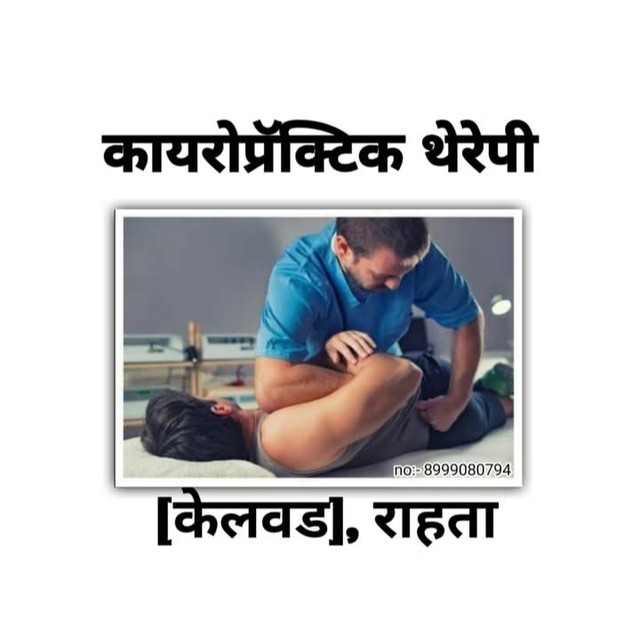
Sciatica-Related Symptoms Care in Rahata
Conservative manual therapy, lumbar decompression, and pelvic balancing for radiating leg pain and nerve discomfort.
Understanding Sciatica Symptoms (सायटीका / रांजण)
The sciatic nerve is the longest and thickest nerve in the human body, originating from the lower lumbar spine (L4, L5, S1) and traveling through the hip, buttock, and down the back of the leg to the foot.
When lumbar discs protrude or the deep piriformis muscle in the buttock goes into continuous spasm, the sciatic nerve becomes compressed. This results in characteristic sensations: sharp shooting pain down one leg, tingling, numbness, or a deep burning ache that worsens when sitting or coughing.
Our Conservative Assessment & Therapy
- Straight-Leg Raise & Mobility Check: Identifying the mechanical trigger points along the nerve path.
- Lumbar Distraction & Decompression: Gentle hands-on techniques to relieve intervertebral disc pressure.
- Piriformis Muscle Softening: Myofascial release in the gluteal area where the nerve is often pinched.
- Pelvic Tilt Balancing: Correcting pelvic asymmetry that aggravates unilateral leg pain.
Crucial Neurological Warning
If sciatica symptoms develop into loss of bladder or bowel sensation/control, or if you lose the ability to raise your foot while walking (foot drop), this indicates severe acute nerve root compression (Cauda Equina Syndrome). This requires immediate emergency hospital medical care.